
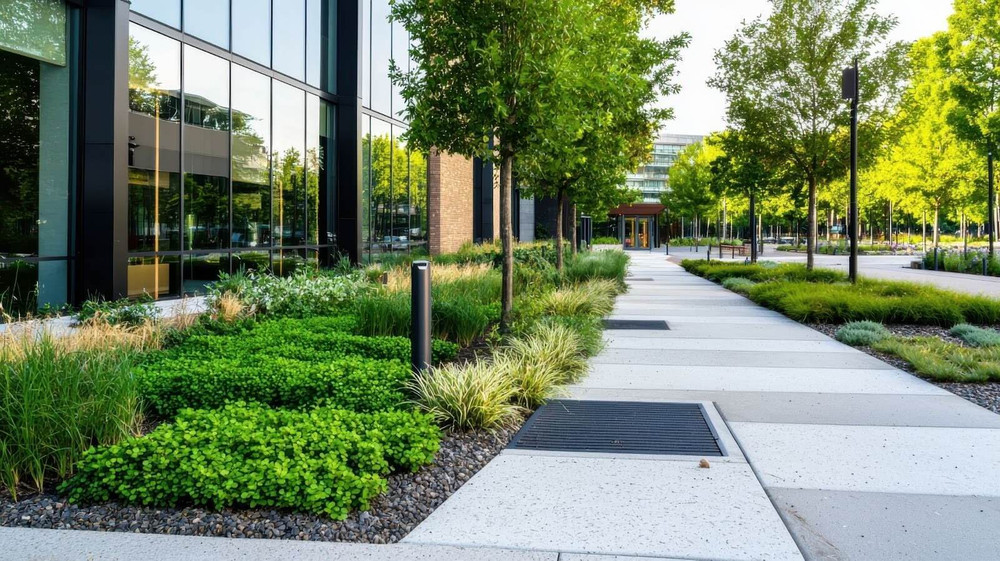
As cities continue to grow and urban populations rise, the importance of green spaces has never been greater. Parks, gardens, tree-lined streets, and urban forests are no longer just aesthetic additions—they are essential elements of a healthy and livable city.
In the midst of concrete, traffic, and fast-paced lifestyles, green spaces offer a vital connection to nature, providing both environmental and social benefits that improve the quality of urban life.
One of the most significant roles of green spaces in modern cities is their impact on mental wellbeing. Urban living often comes with high levels of stress, noise, and constant stimulation. Green areas provide a natural escape, even if only for a short time.
A walk through a park, sitting under a tree, or simply being surrounded by greenery can help reduce stress, improve mood, and promote relaxation. These spaces act as a mental reset, allowing people to disconnect from the pressures of city life and reconnect with themselves.
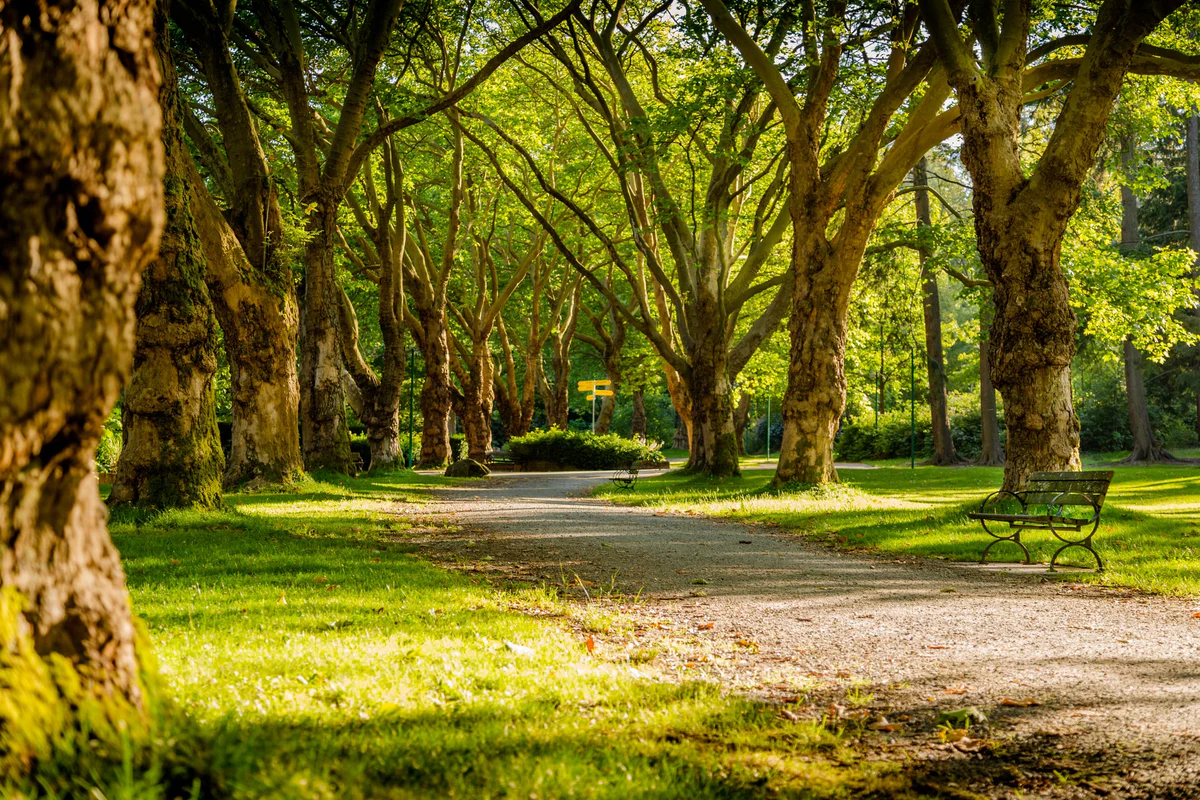
In addition to mental health benefits, green spaces also contribute to physical wellbeing. Parks and recreational areas encourage people to be active, offering spaces for walking, running, cycling, and outdoor sports.
In cities where space is limited, having access to safe and inviting outdoor areas can make a significant difference in promoting healthier lifestyles.
Children benefit as well, gaining opportunities to play, explore, and develop in a natural environment, which is increasingly rare in highly urbanized settings.
From an environmental perspective, green spaces play a crucial role in improving urban ecosystems. Trees and plants help reduce air pollution by absorbing carbon dioxide and releasing oxygen. They also filter harmful particles from the air, making it cleaner and healthier to breathe.
In addition, green areas help regulate temperature, reducing the “urban heat island” effect where cities become significantly warmer than surrounding rural areas. Shade from trees and the cooling effect of vegetation can make cities more comfortable, especially during hot summer months.
Water management is another important benefit of urban green spaces. Natural landscapes can absorb rainwater, reducing the risk of flooding and easing pressure on drainage systems.
Instead of water running off hard surfaces like concrete and asphalt, it is absorbed into the soil, helping to maintain natural water cycles. This is particularly important as climate change leads to more extreme weather events, including heavy rainfall and heatwaves.
Green spaces also support biodiversity within cities. Even small parks or community gardens can provide habitats for birds, insects, and other wildlife. Pollinators such as bees and butterflies, which are essential for ecosystems, often find refuge in urban green areas.
By incorporating diverse plant species and creating natural habitats, cities can support a surprising variety of life, contributing to ecological balance even in densely populated areas.
Beyond their environmental and health benefits, green spaces play a vital social role. They are places where people gather, interact, and build communities. Public parks host events, provide spaces for social activities, and encourage connections between people from different backgrounds.
In a world where digital communication often replaces face-to-face interaction, these physical spaces become increasingly important for fostering a sense of belonging and community.
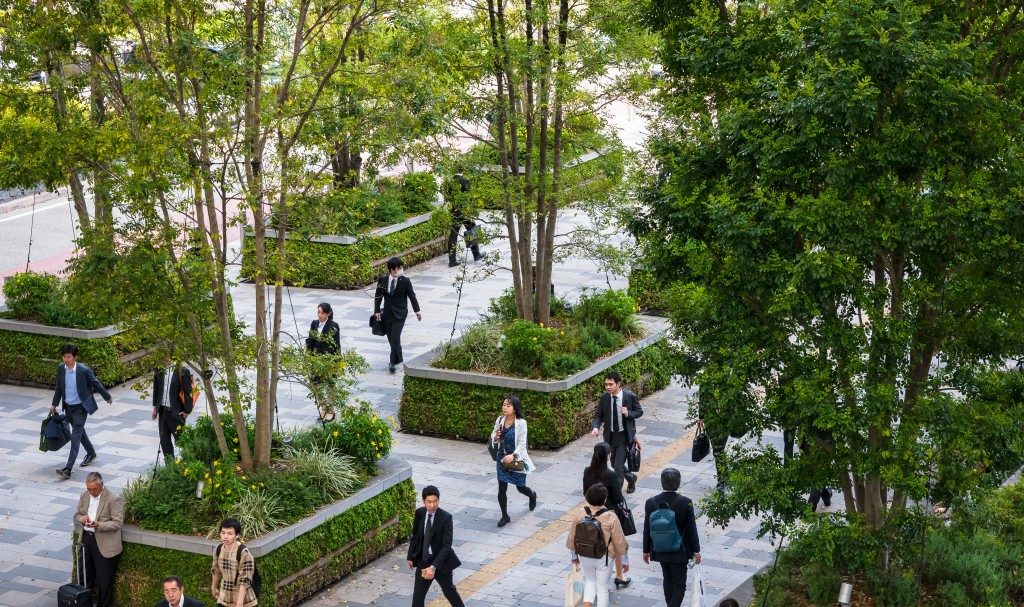
Urban planners and designers are increasingly recognizing the importance of integrating green spaces into city development. Modern approaches to urban design focus on creating “green infrastructure,” where natural elements are built into the fabric of the city.
This includes rooftop gardens, vertical greenery on buildings, green corridors, and pocket parks in small, unused spaces. These innovations make it possible to introduce nature even in areas where land is limited.
However, access to green spaces is not always equal. In many cities, certain neighborhoods have fewer parks and less greenery than others, often reflecting broader social and economic inequalities. Ensuring that all residents have access to quality green spaces is an important challenge for urban development. Equitable distribution of green areas can help improve overall public health and create more inclusive cities.
Maintenance and sustainability are also key considerations. Creating green spaces is only the first step—keeping them healthy and accessible requires ongoing care and investment. This includes proper landscaping, waste management, and community involvement. Many cities are now encouraging residents to participate in maintaining local green areas, fostering a sense of ownership and responsibility.
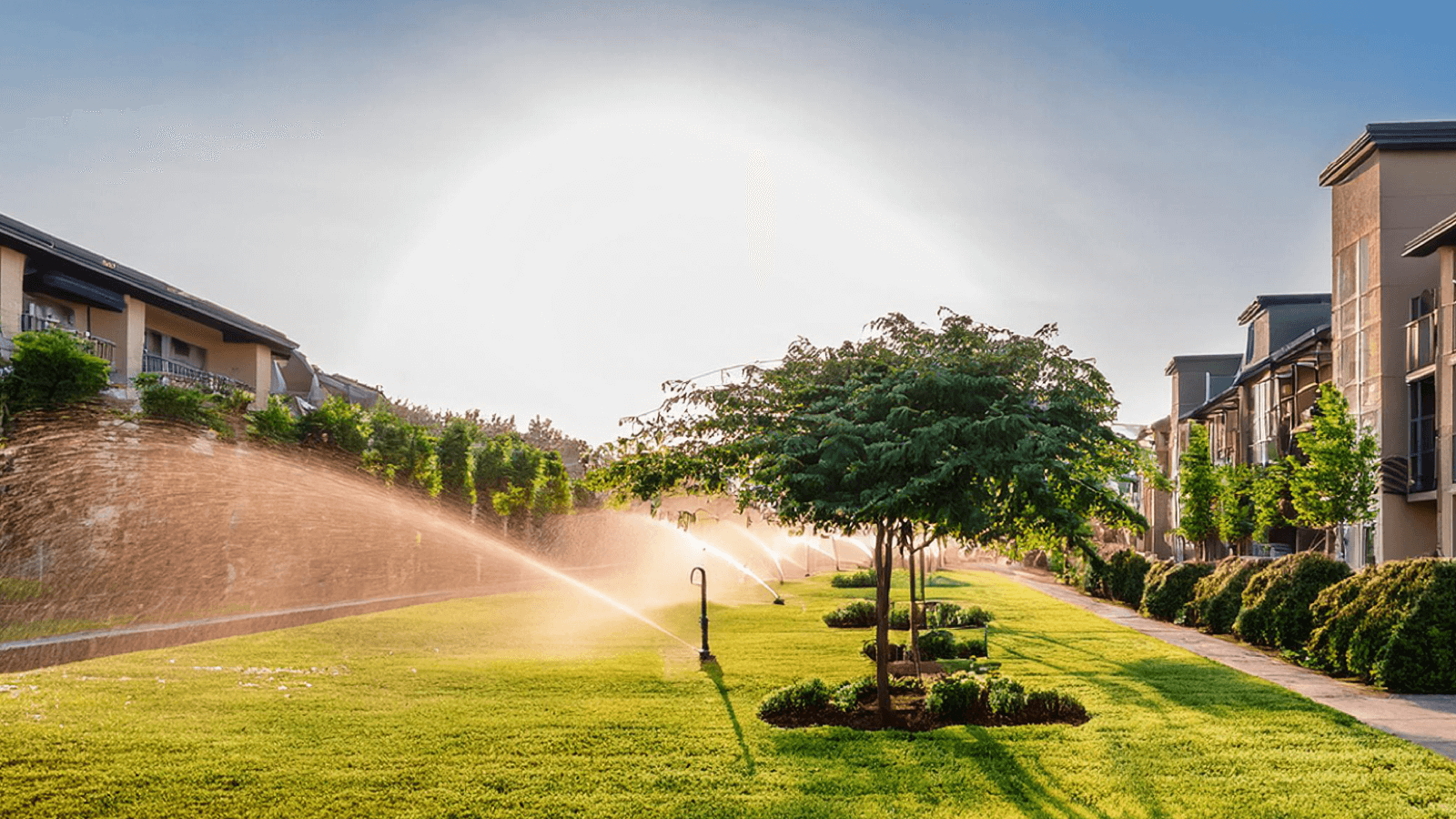
Technology is also playing a role in the evolution of urban green spaces. Smart irrigation systems, environmental monitoring, and data-driven planning help cities manage resources more efficiently. At the same time, there is a growing emphasis on sustainable practices, such as using native plants, reducing water consumption, and minimizing the use of chemicals.
Looking to the future, green spaces will become even more important as cities continue to expand. They are not just optional features, but essential components of urban resilience and sustainability. As people seek better quality of life, cities that prioritize green spaces will be more attractive, healthier, and more adaptable to change.
Ultimately, green spaces in modern cities represent a balance between development and nature. They remind us that even in the most urban environments, there is a place for greenery, tranquility, and life beyond concrete. By investing in these spaces, cities are investing in the wellbeing of their residents and the future of the planet.