
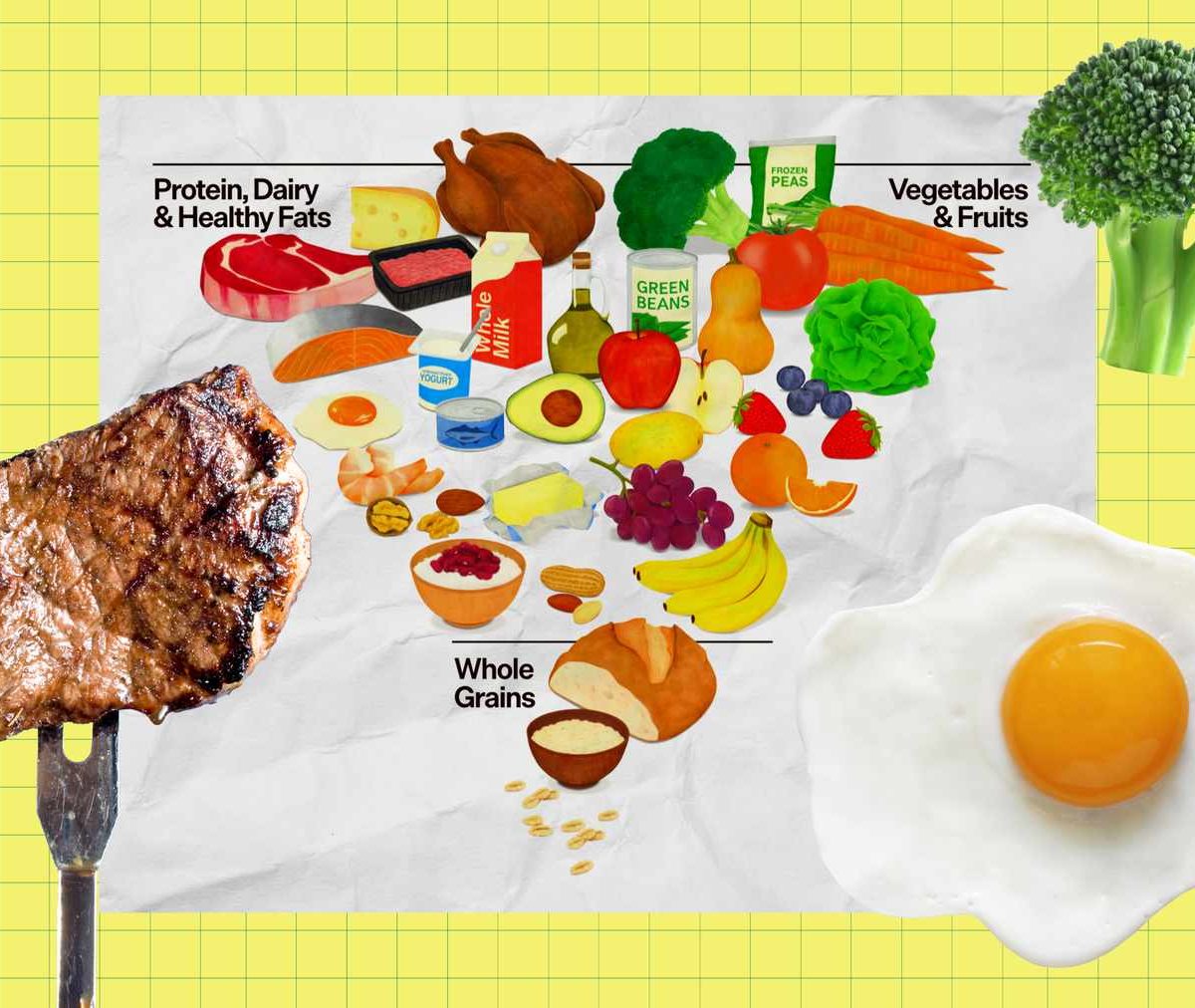
Science-based nutrition focuses on evidence-backed strategies that support overall health, sustainable weight management, and long-term well-being. Instead of relying on trends or fad diets, this approach is grounded in research from fields like Nutrition Science and Metabolism. By understanding how the body processes food and nutrients, individuals can make informed decisions that lead to lasting results.
One of the most fundamental principles of science-based nutrition is energy balance. This concept refers to the relationship between calories consumed and calories burned. When you consume more energy than your body needs, the excess is stored, typically as fat.
Conversely, consuming fewer calories than required leads to weight loss. However, this does not mean drastically reducing food intake. Research shows that moderate calorie deficits are more sustainable and help preserve muscle mass while supporting fat loss.
Macronutrients—protein, carbohydrates, and fats—each play essential roles in the body. Protein is particularly important because it supports muscle repair and growth, as well as satiety. Studies in Sports Nutrition suggest that higher protein intake can help reduce hunger and maintain lean body mass during weight loss. Good sources include lean meats, eggs, dairy, legumes, and plant-based proteins.
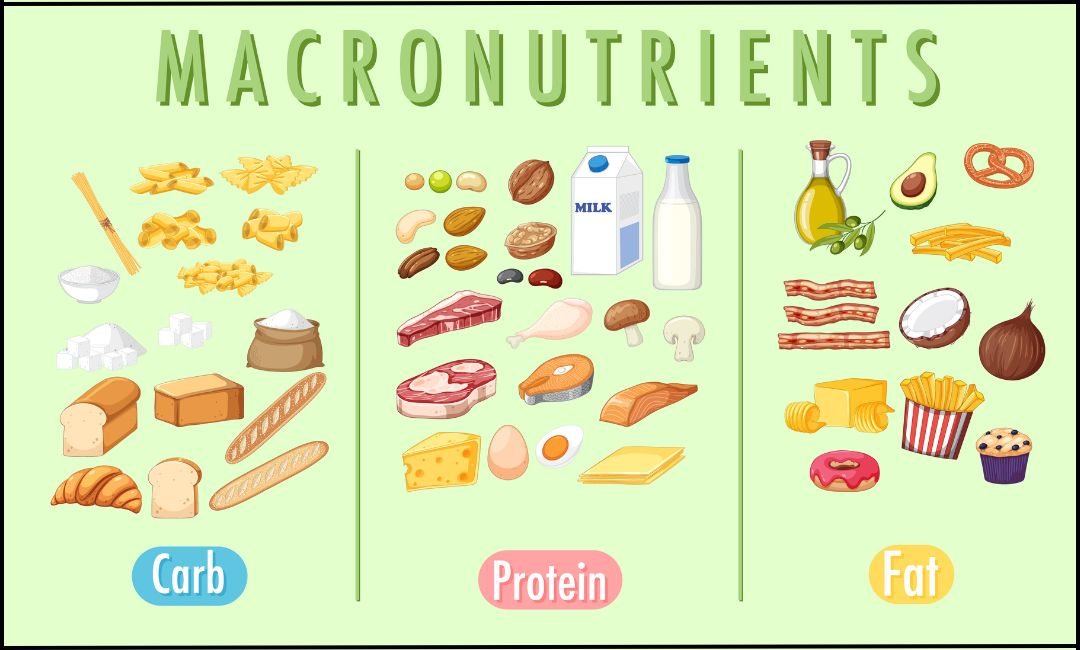
Carbohydrates often receive mixed attention, but science shows they are a vital energy source, especially for the brain and muscles. The key is choosing high-quality carbohydrates such as whole grains, fruits, and vegetables instead of refined sugars and processed foods.
These complex carbs provide fiber, which aids digestion and promotes fullness. Fiber intake has also been linked to reduced risk of chronic diseases, including Type 2 Diabetes and heart disease.
Fats are another essential component of a balanced diet. Despite past misconceptions, healthy fats are crucial for hormone production, brain function, and nutrient absorption. Unsaturated fats, found in foods like nuts, seeds, avocados, and olive oil, are associated with improved heart health. On the other hand, trans fats and excessive saturated fats should be limited due to their link with cardiovascular issues.
Meal timing and frequency are often debated topics in nutrition. While some people benefit from structured eating patterns, research suggests that total daily intake matters more than specific timing. Whether you eat three meals a day or include snacks depends on personal preference and lifestyle. The key is consistency and avoiding excessive overeating.
Hydration is another critical yet often overlooked factor. Water is involved in nearly every bodily function, including digestion, temperature regulation, and nutrient transport. Mild dehydration can negatively affect energy levels and cognitive performance. Drinking water regularly throughout the day and paying attention to thirst cues can help maintain optimal hydration.
Micronutrients—vitamins and minerals—are equally important, even though they are needed in smaller amounts. A varied diet rich in colorful fruits and vegetables helps ensure adequate intake of essential nutrients like vitamin C, vitamin D, iron, and magnesium. Deficiencies in these nutrients can impact immune function, bone health, and overall energy levels.

Another evidence-based strategy is mindful eating. Research in behavioral nutrition shows that paying attention to hunger and fullness signals can prevent overeating. Eating slowly, minimizing distractions, and being aware of portion sizes can significantly improve dietary habits. This approach not only supports weight management but also enhances the overall eating experience.
Scientific research also emphasizes the importance of limiting ultra-processed foods. These foods are often high in added sugars, unhealthy fats, and sodium while being low in essential nutrients. Regular consumption has been linked to obesity, metabolic disorders, and increased risk of chronic diseases. Replacing processed foods with whole, minimally processed options is a simple yet effective way to improve diet quality.
Consistency is one of the most powerful factors in achieving nutritional goals. Short-term diets may produce quick results, but they are often difficult to maintain. Science supports the idea that long-term habits, rather than temporary restrictions, lead to sustainable outcomes. Small, gradual changes—such as increasing vegetable intake or reducing sugary drinks—can have a significant impact over time.
It is also important to recognize that individual differences play a role in nutrition. Factors such as age, activity level, genetics, and health conditions can influence dietary needs. What works for one person may not work for another, which is why personalized approaches are often more effective than one-size-fits-all solutions.

In conclusion, science-based nutrition is about making informed, balanced choices that support long-term health. By focusing on energy balance, nutrient-dense foods, proper hydration, and consistent habits, individuals can improve their overall well-being. Rather than chasing trends, adopting evidence-based strategies from fields like Nutrition Science provides a reliable path toward better health and sustainable results.